
From the ground up: Canadian all-sky imagers advancing space weather science for SMILE
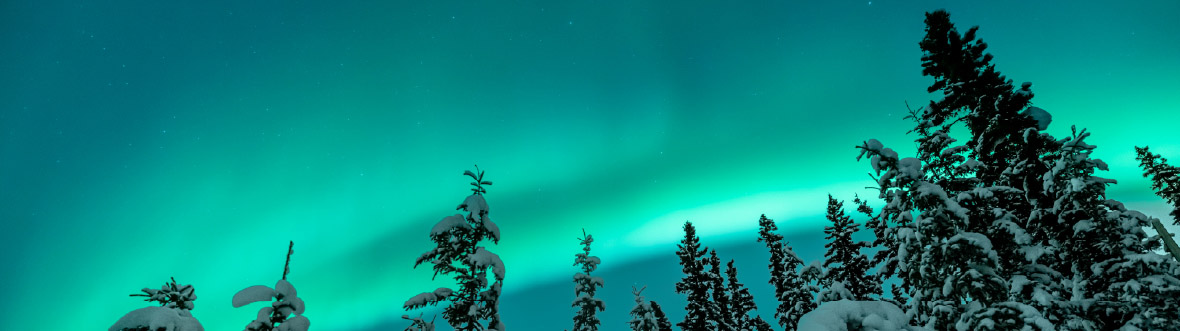
Our Sun does more than provide light and heat. It also sends a steady stream of charged particles into space that reach Earth. Luckily, our planet has a natural protective bubble called the magnetosphere. It acts like a shield to deflect most of this energy away and keep life on Earth safe.
This invisible interaction creates the spectacular northern lights, but it can also affect the space environment we rely on every day. To better understand these effects, scientists are studying how solar particles interact with Earth's atmosphere.
What is the SMILE mission?
The Solar wind Magnetosphere Ionosphere Link Explorer (SMILE) space mission is led by the European Space Agency (ESA) in collaboration with the Chinese Academy of Sciences (CAS) to provide scientists with new insight into how solar wind shapes Earth's magnetosphere. The findings will help better understand space weather and its potential impacts on satellites, power grids, communications, and aviation.
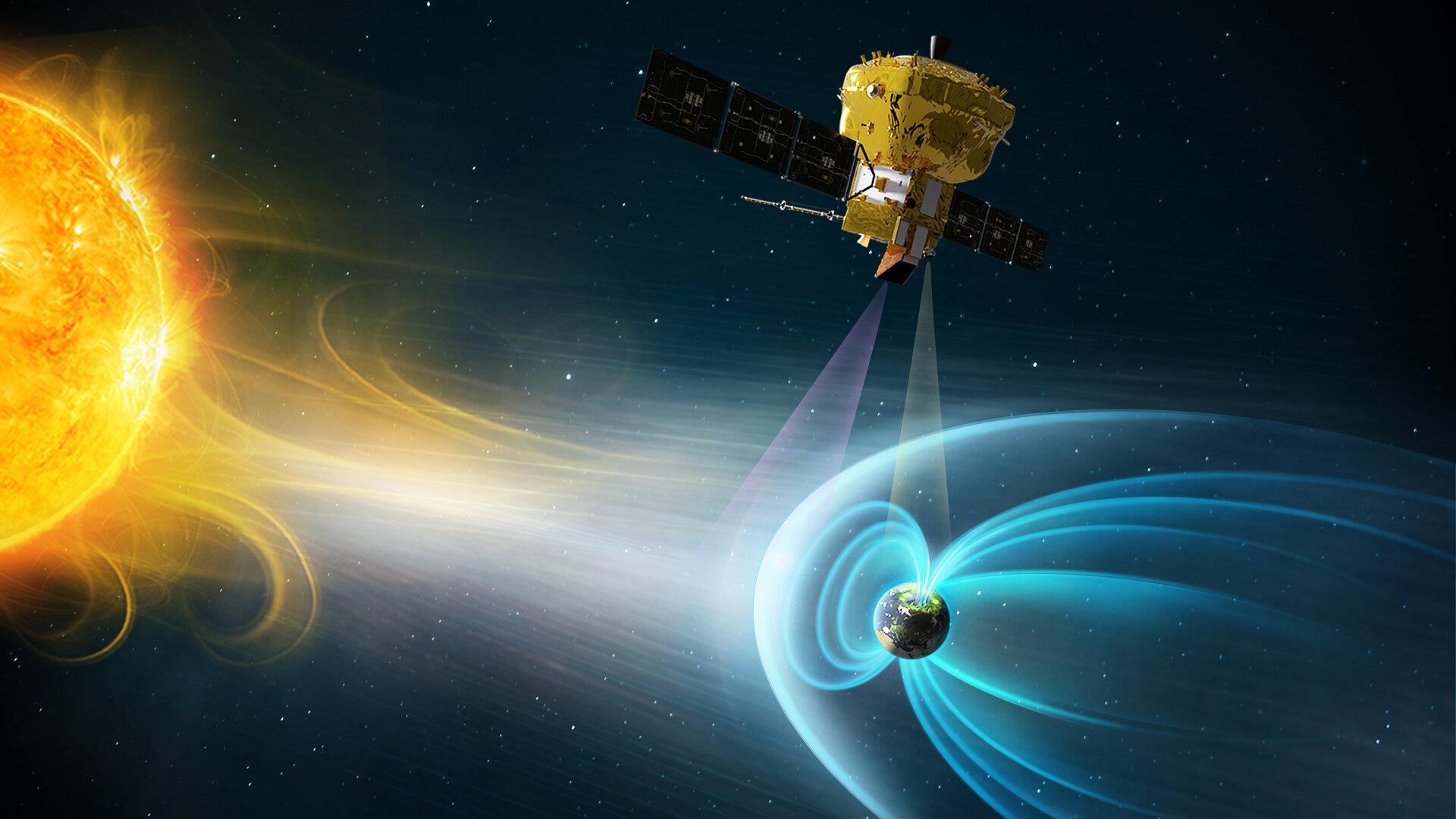
An artist's concept of the SMILE mission. (Credit: ESA)
SMILE imagers: a Canadian contribution from the ground
Thanks to funding from the Canadian Space Agency (CSA), researchers at the University of Calgary are supporting the SMILE mission through the development and operation of a network of ground-based all-sky cameras, known as SMILE all-sky imagers. They are ideally located in Canada's high-latitude northern regions to monitor auroras and other space weather phenomena.
SMILE imagers help connect observations made in space with those made from the ground, offering scientists a more complete picture of the Sun-Earth interaction. The data collected will support the mission's scientific goals and be shared with the international scientific community.
Northern lights captured by one of the SMILE all-sky imagers. (Credit: University of Calgary)
Canada's unique location favours the study of space weather events
A large part of Canada lies at high latitudes, close to the geomagnetic North Pole. Since space weather phenomena, such as auroras, occur mainly around the poles, they are particularly visible in our country. This also means Canada is more strongly affected by space weather events like solar storms.
Keeping Canadians and infrastructure safe
By studying these phenomena, scientists gain important knowledge that helps keep Canadians and infrastructure safe. For example, these observations can:
- Help protect aircraft crews that are flying polar routes from increased radiation exposure
- Help ensure pipelines and power grids operate safely and efficiently
- Help maintain consistent Global Navigation Satellite Systems (GNSS) services, such as GPS, which are essential for stable cellular and communication networks
Through its contribution to the overall SMILE mission, Canada is helping protect critical technologies and services Canadians rely on every day and strengthening its position as a global leader in space weather research.
The CSA's Geospace Observatory Canada initiative plays a central role in this effort by collecting data from scientific instruments across northern Canada to help scientists better understand and predict space weather.
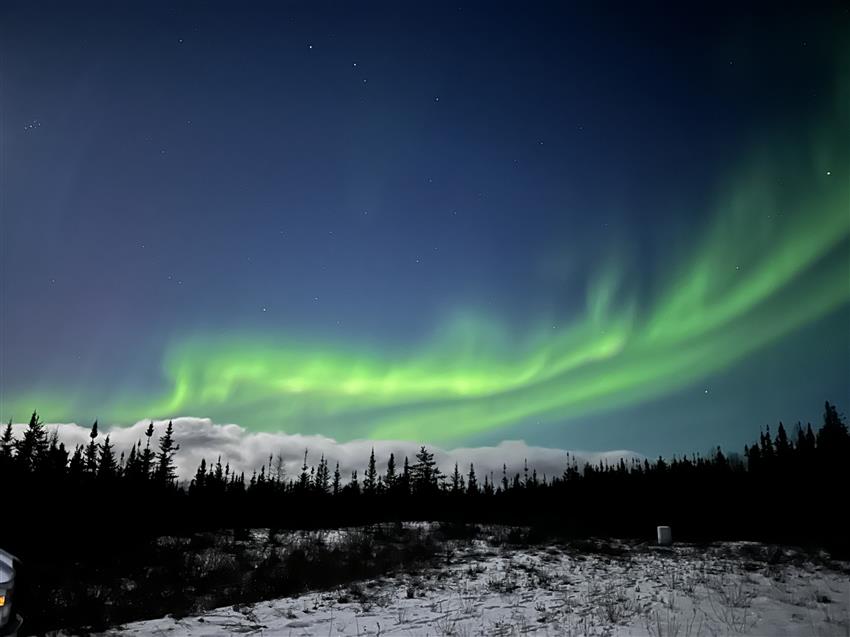
Northern lights over Rabbit Lake, Saskatchewan. (Credit: University of Calgary)

The SMILE all-sky imager in Fort Smith, Northwest Territories. (Credit: University of Calgary)
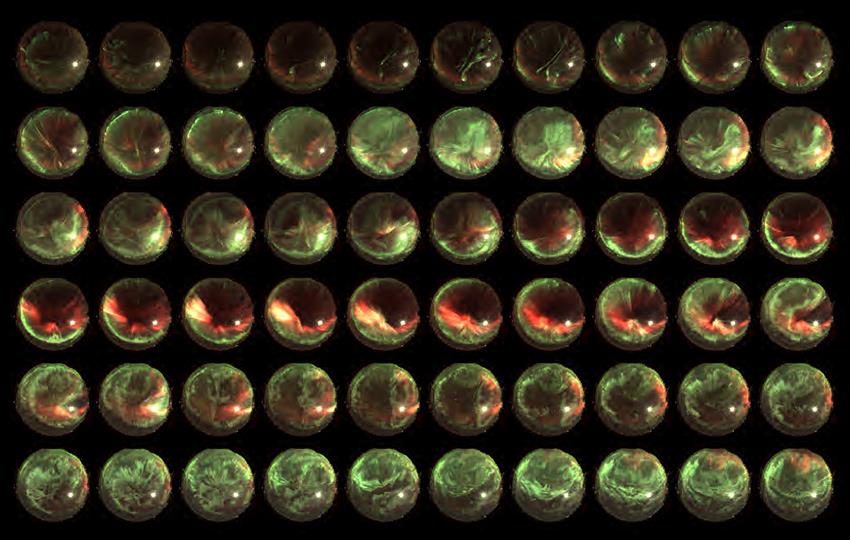
Montage of all-sky images from the SMILE all-sky imager at Lucky Lake, Saskatchewan. (Credit: University of Calgary)
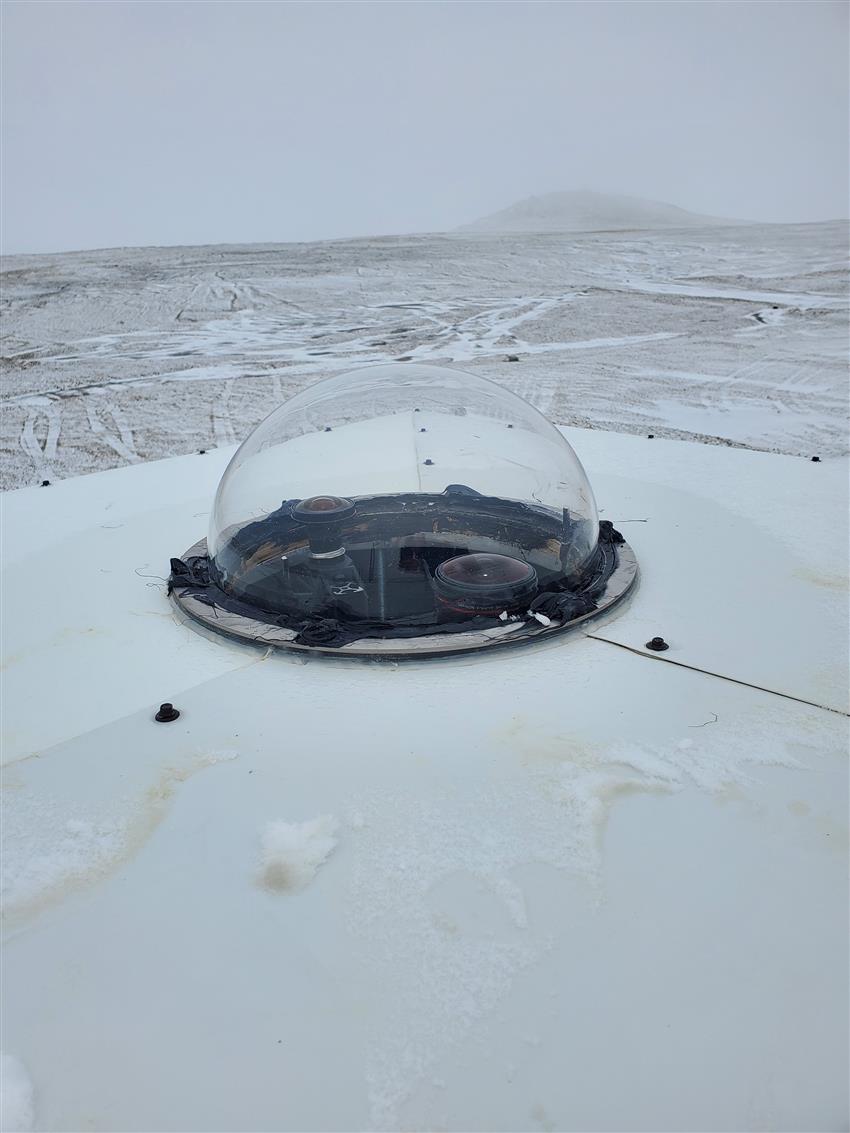
The dome of the SMILE all-sky imager in Resolute Bay, Nunavut. (Credit: University of Calgary)